April 27, 2025 Story By: Anthony Richardson
The Beginning
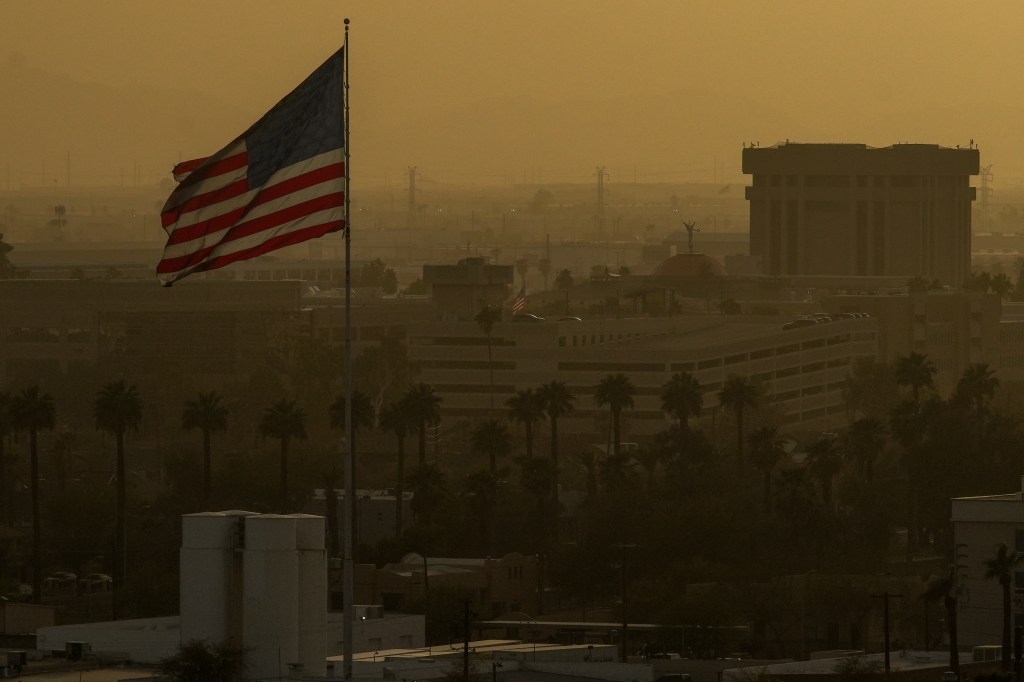
The Black Lives Matter (BLM) protests in Phoenix, Arizona, during the summer of 2020 were part of a nationwide movement against police brutality and systemic racism, sparked by the killing of George Floyd in Minneapolis on May 25, 2020. This would be the event that proverbially would be the straw that breaks the camel’s back and send the Phoenix Police Department into a whirlwind of local and nationwide criticism.
“They tried to ruin my life!” said Amy Kellers who was 26 years young at the time and a recent resident of Arizona by way of Maryland less than a year before the protest event took place.
Amy and over 123 other protesters were arrested for their involvement and participation through the months of May to July of 2020, where over 15 protest total were amassed, with one particular march and protest through Downtown Phoenix included over 10,000 people.
The Investigation
In June 2024, the U.S. Department of Justice (DOJ) released the findings of a comprehensive investigation into the Phoenix Police Department (PPD), uncovering patterns of excessive force, discriminatory practices, and violations of constitutional rights. This examines the multifaceted effects of the DOJ’s investigation on the Phoenix community, focusing on public trust, policy reforms, community-police relations, and broader implications for law enforcement practices.
The DOJ’s investigation into the Phoenix Police Department initiated in August of 2021 and spanned approximately 34 months and involved extensive data collection, including interviews with over 130 PPD and City of Phoenix employees, as well as community members. The investigation’s findings have had significant and varied impacts on the Phoenix community, influencing perceptions of law enforcement, prompting policy changes, and sparking discussions about systemic reforms.
Phoenix, Arizona has long struggled with tensions between its police force and residents, particularly in communities of color. High-profile incidents, such as the fatal shootings of unarmed individuals and aggressive responses to protests, have fueled public distrust. According to data from the Washington Post, Phoenix has one of the highest rates of police shootings per capita in the nation. Additionally, advocacy groups like the American Civil Liberties Union (ACLU) and Puente Human Rights Movement have documented cases of racial profiling, particularly against Latino and Black residents.
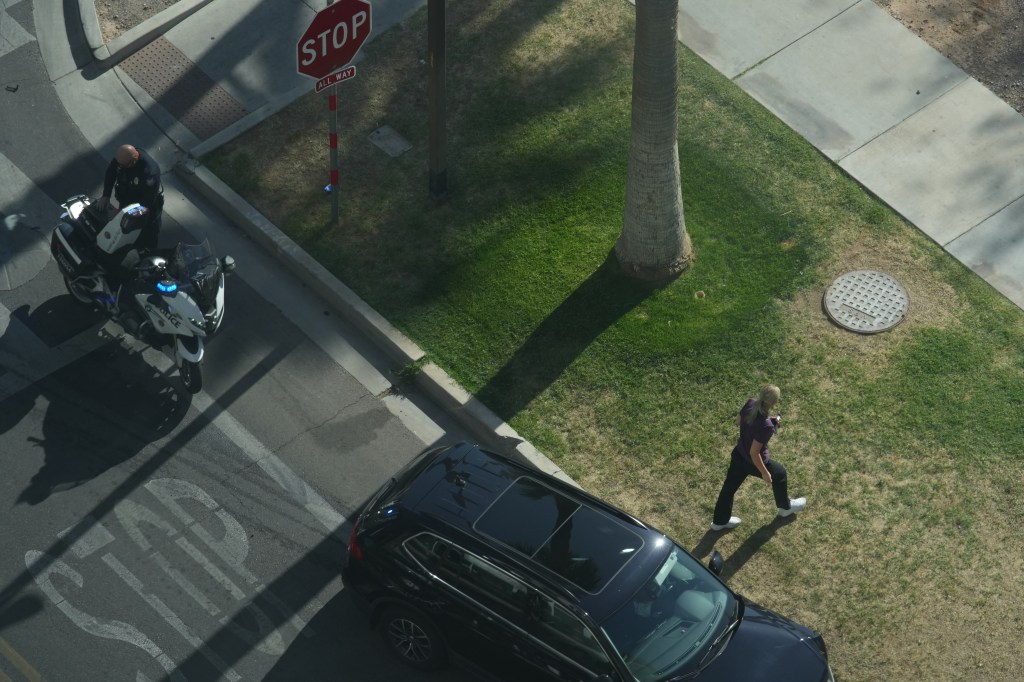
When asking current Phoenix Police officer of 15 years (that provided me the last name of Gregory), whom has routinely patrolled the Downtown Phoenix area what his thoughts were on the DOJ findings, he simply stated that he wasn’t aware of those results and couldn’t give me any other information to answer any other questions, advising to contact media services on the Phoenix PD website.
Conclusion: The DOJ’s report identified several critical issues within the Phoenix Police Department:
Excessive Force: The Phoenix Police was found to use excessive force, including unjustified deadly force, against individuals who did not pose an imminent threat.
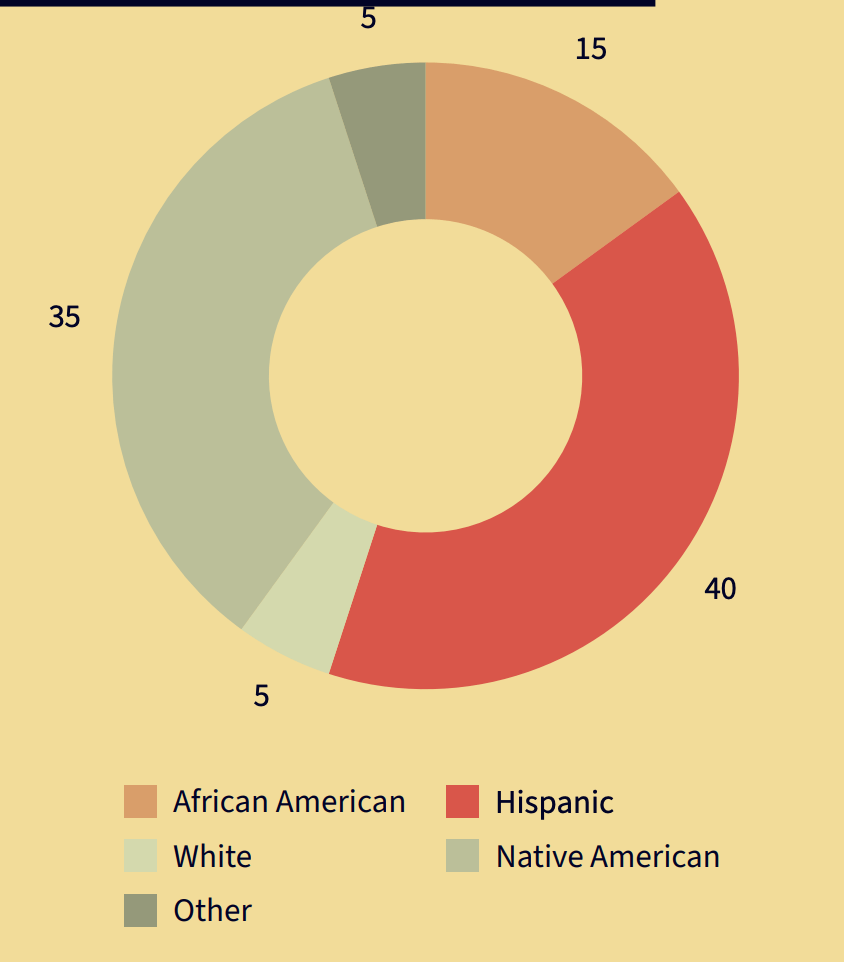
Discriminatory Enforcement: There was evidence of discriminatory enforcement practices targeting Black, Hispanic, and Native American individuals, resulting in racial disparities in arrests and citations
Homeless Individuals: The Phoenix Police was found to unlawfully detain, cite, and arrest people experiencing homelessness without reasonable suspicion of criminal activity, and to improperly dispose of their belongings.
Suppression of Protected Speech: The report highlighted instances where the PPD violated the rights of individuals engaged in constitutionally protected speech, including peaceful protests.
Individuals with Behavioral Health Disabilities: The Phoenix Police was criticized for dispatching officers to respond to calls involving individuals with behavioral health disabilities, rather than trained mental health professionals, leading to inappropriate and sometimes harmful interactions.
Community Impact
Community members, particularly those from marginalized groups, experienced a significant decline in trust towards the Phoenix Police Department, feeling that the department’s practices were discriminatory and unjust.
“I don’t think there’s going to be a situation soon that garners a trusting factor with the Phoenix Police, and the people of this city, especially those of black and brown skin tone like mine.” said Katherine Sparks
“I know people that were victims and got treated really badly here in downtown.”
Katherine has been homeless for over four years and says she frequents the downtown Phoenix area, and they have a “community” of sorts. A year later after the 2020 protest and after a vigorous investigation from the ABC15 local news station into the arrest of and mistreatment of protesters, the city of Phoenix created the Office of Accountability and Transparency(OAT). A civilian based oversight group to investigate misconduct allegations against members of the Phoenix Police Department.
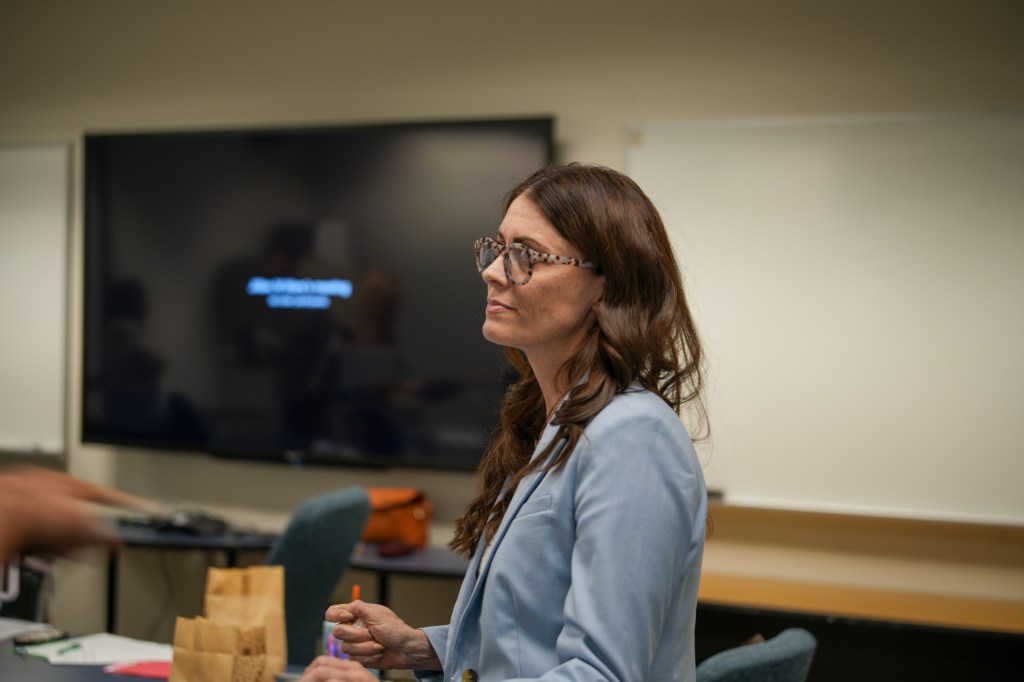
“We are here for the community of Phoenix, and to help solve any problematic issues that come before us from citizens who may have had a negative experience with Phoenix Police”, says Shannon Johanni, newly appointed director of the Office of Accountability and Transparency as of April 2025.
When asked if there was any communication with the Department of Justice since she has been with OAT, she simply replied that there was no communication, and that she does not know where the DOJ stands at this point in time with the Phoenix Police Department. “We do have a good rapport with the Phoenix Police, and we fully have their cooperation and attention within our committee.”
Tyrone Benson, an engineering professor at Arizona State University, has been on the board of OAT since November of 2024. “We do bear a have a heavy weight on our shoulders, but we are working with the community constantly and listening to what their concerns are and acting as quickly as possible.”
It is clear after a very informative interview with Johanni on April 25th that they intend to help bridge the gap between the community and the Phoenix Police. Though it may take some time, they are very adamant about where they stand and what the community and Phoenix Police should expect from them, and that is a better relationship and trust within community and policing.
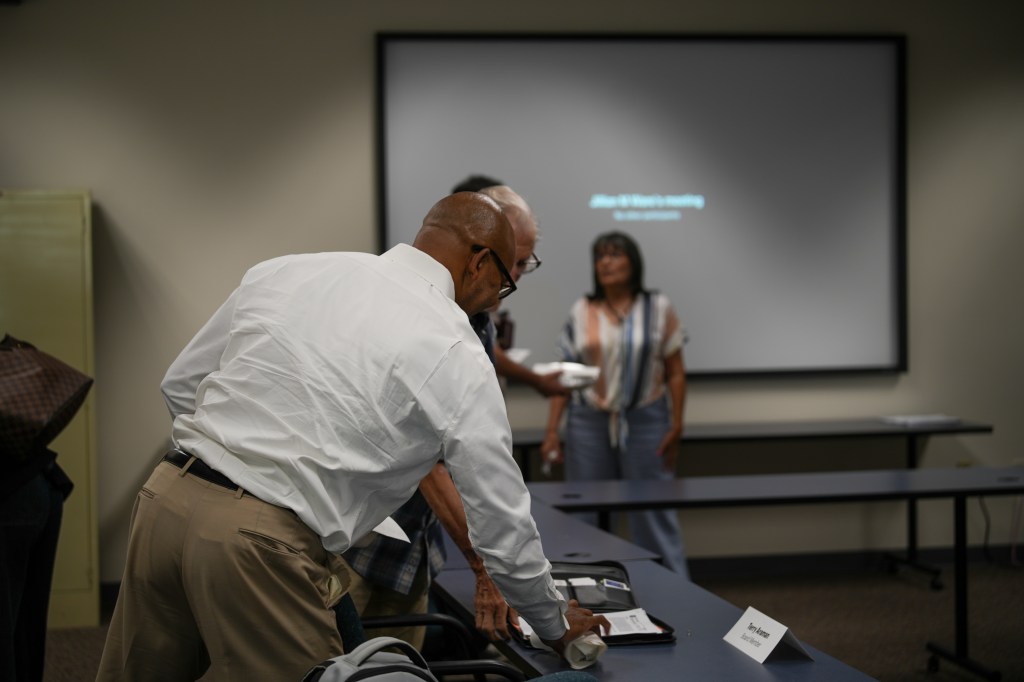
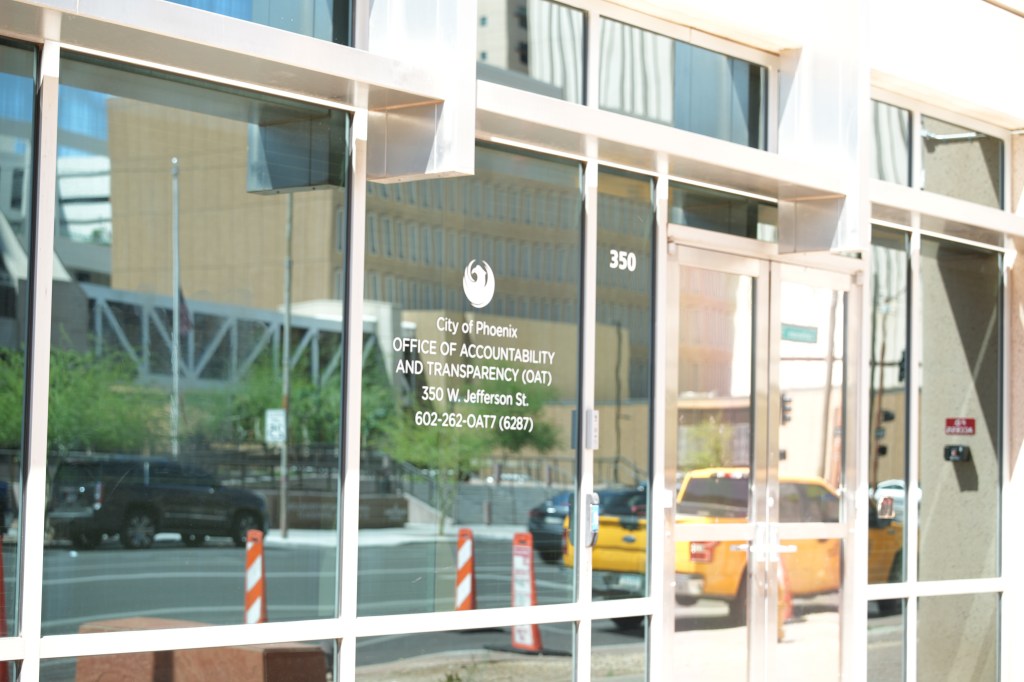
Prior to Johanni, Roger Smith, a former Cleveland, Ohio native who ran the Office of Professional Standards in Cleveland resigned in 2021 to head the Office of Accountability and Transparency in Phoenix, where he later resigned in January of 2024 sighting that the newly formed administration lacked the ability to oversee and conduct fair investigations into Phoenix Police. A letter of his resignation was posted by Melissa Blasius, a ABC15 investigator reporter on her X (formerly twitter) account @MelissaBlasius. This causing another major blow at that time to the Phoenix community and the distrust of the Phoenix Police Department, with the letter stating that he could not perform his duties without fear of retaliation and undue restrictions.
The United States Department of Justice has further investigated other disparities created by the state of Arizona such as the Voter ID Law implemented in 2022 requiring proof of citizenship during federal elections, and a warning to the state of Arizona not pursue their own Arizona style election audits, in an already state of heightened threats and mistrust during the recent 2024 elections.
In a recent protest in Downtown Phoenix on February 5, 2025, regarding the new Trump administration’s policies and sweeping executive orders, and Elon Musk’s new role within the federal government and administration, the reaction from the Phoenix Police Department was more towards assistance rather than a form of action. They made sure the pathway for the protesters were clear and safe by offering an escort of sorts as seen in the embedded video.
The residents of Downtown Phoenix including some of the homeless or indigent are worried that because of this new administration swiftly acting on immigration reform, where Arizona lies as one of the biggest states affected by it, that the local police may again begin to go back to the days of pre-DOJ investigation policing. Fearing that a community they thought was on the mend and making progress as it steadily continues to grow may just be going backwards, which is a theme a lot of communities in the country are seeing in some perspectives.
 notsomediaocre.com
Leave a comment